




Morning Market Snapshot – December 15, 2025
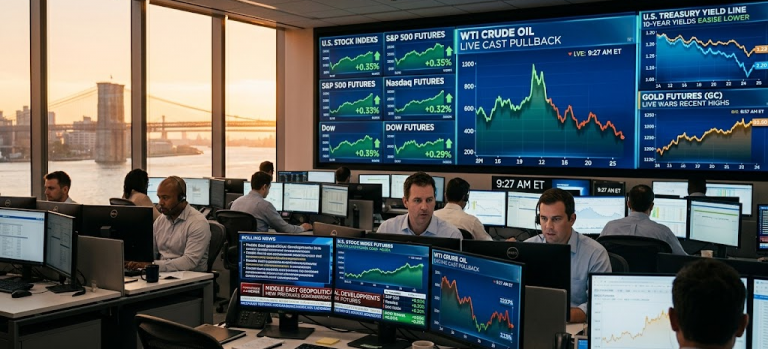
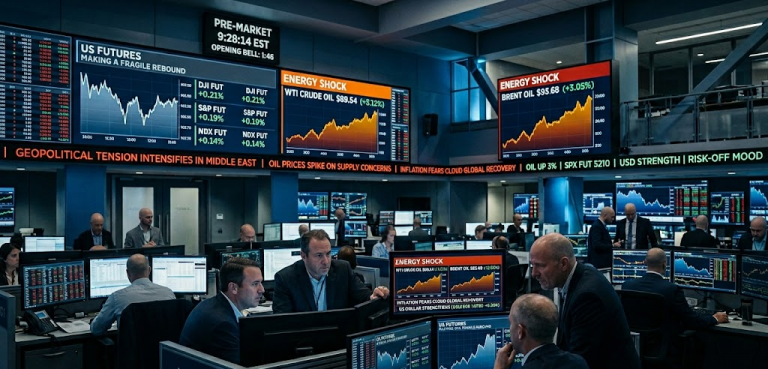
U.S. stock futures are slightly higher this morning, which means the stock market may open a bit higher when trading begins. Futures are early price indicators that help investors understand the market mood before the opening bell. Today’s futures gains come after a weak end to last week, when technology stocks dropped sharply and pulled the overall market lower.
Last week’s selling was driven mostly by investors taking profits. Many tech stocks had risen very quickly earlier in the year, and some traders decided it was time to lock in gains. That selling pressure slowed overnight, allowing futures to move higher, but confidence has not fully returned. Investors are cautious and are not rushing back into risky trades.
One major overnight headline is iRobot’s bankruptcy filing, the company best known for Roomba vacuum cleaners. The stock collapsed after the announcement, reminding investors that even well-known brands can struggle if their business weakens. This news added to concerns about smaller tech and consumer companies that carry debt or face slowing demand.
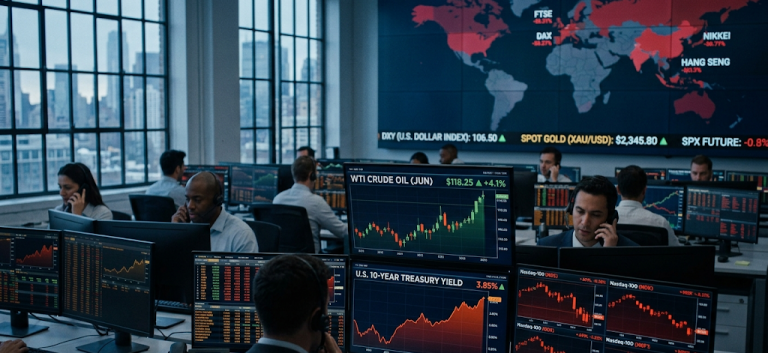
Markets outside the U.S. were weaker. Asian stock markets fell overnight, led by declines in Japan and China. Investors there reacted to weak economic data and concerns about global growth. When overseas markets struggle, it often affects sentiment in U.S. markets as well.
Other parts of the market give mixed signals. Gold prices are rising, which usually means investors are looking for safer places to put their money. Oil prices are slightly lower, suggesting concern about future demand. Bitcoin fell over the weekend but has started to recover, showing that risk-taking has not disappeared completely.
Looking ahead, investors are focused on important U.S. economic reports later this week, especially jobs and inflation data. These reports can influence interest rates and market direction. Until then, traders appear willing to move carefully rather than make bold bets.
Overall, the mood going into the open is cautiously positive. The market is trying to stabilize after recent losses, but uncertainty remains high.
Pre-Market News Catalysts
- iRobot: Filed for bankruptcy, causing the stock to crash and raising concerns about weaker consumer tech companies.
- Broad Market Futures: Dow, S&P 500, and Nasdaq futures are slightly higher, signaling a possible rebound at the open.
- Global Markets: Asian stocks fell overnight, keeping risk sentiment fragile.
- Sector Movement: Investors are favoring healthcare, industrials, and defensive stocks over high-growth tech names.
The Day’s Debate: Bull vs. Bear

The Bull Case: Optimistic investors believe the market is going through a normal pause rather than a major downturn. They point to higher futures as a sign that selling pressure from last week may be easing. Instead of abandoning stocks completely, investors appear to be shifting money into safer and more stable companies.
Supporters of this view note that many large, profitable companies in healthcare, manufacturing, and finance are still holding up well. This suggests the market still has strength, just not in the same areas that led earlier rallies. The recent drop in tech stocks may help cool down prices that had risen too quickly.
Lower interest rates also support the bull case. When rates are lower, borrowing is cheaper for companies, and future profits become more valuable. A slightly weaker U.S. dollar can also help large companies that do business overseas.
Bullish investors also see recent declines as an opportunity. They believe pullbacks can create better long-term entry points, especially if upcoming economic data shows the economy is slowing gently rather than falling into recession.
In short, the bull case believes the market is resetting, not breaking.

The Bear Case: Cautious investors warn that recent problems may be signs of deeper trouble. The sudden collapse of iRobot shows how quickly companies can fail when sales slow or debt becomes too heavy. Bears worry that similar risks exist in other weaker companies.
They also argue that many stocks, especially in technology, are still expensive compared to how much money they make. If earnings disappoint, more selling could follow. Recent optimism around artificial intelligence has faded slightly, raising fears that expectations were too high.
Global concerns add to the downside risk. Weak economic data from China and falling Asian markets suggest global growth may be slowing. This can hurt large U.S. companies that rely on international sales.
Upcoming U.S. economic reports are another risk. If inflation or job data comes in hotter than expected, interest rates could stay higher for longer. That would pressure stocks and increase volatility.
The bear case believes that recent gains in futures may be temporary and that caution is still warranted.
The Strategic Takeaway
The most important thing for beginners to understand right now is that the market is uncertain, but not chaotic. Prices are moving, leadership is changing, and investors are being more selective about where they put their money.
This is not a time to chase hype or react emotionally to every headline. Instead, it is a good moment to observe how different sectors behave and how economic data affects market direction.
Strong companies with stable earnings are being rewarded more than risky, unproven ones. This environment favors patience, learning, and discipline over aggressive trading.
For new investors, the goal should not be to predict every move, but to understand how markets respond to uncertainty. These periods often teach the most valuable lessons.
Upcoming Session Outlook with Directional Bias
Directional Bias: Slightly Bullish, but Cautious
Markets are expected to open modestly higher based on pre-market futures. However, uncertainty remains high due to global weakness and upcoming economic data. Gains are likely to be uneven, with some sectors rising while others lag.
This is likely to be a calmer session rather than a strong rally. Investors appear focused on positioning and waiting for clearer signals before making larger moves.
Disclaimer: This article is for informational purposes only and does not constitute financial, investment, or legal advice. The information provided is a synthesis of publicly available data and expert analysis and should not be considered a recommendation to buy or sell any security. Investing in the stock market involves risk, including the possible loss of principal. Past performance is not indicative of future results. Readers should consult with a qualified financial advisor to determine an investment strategy that is suitable for their own personal financial situation and risk tolerance.