



Morning Market Snapshot – March 2, 2026
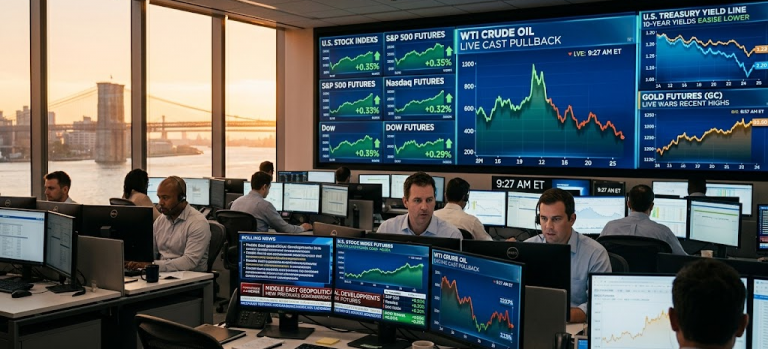
The global financial landscape on this Monday, March 2, 2026, is dominated by a sharp pivot toward defensive positioning. Market participants are reacting to significant weekend developments in the Middle East involving military strikes on Iran. These events have triggered an immediate risk-off sentiment across major asset classes. U.S. stock index futures are currently trading more than 1% lower as investors seek the safety of traditional havens like gold and government bonds. The primary focus of the upcoming session will be the resilience of the energy and defense sectors amid broader market volatility.
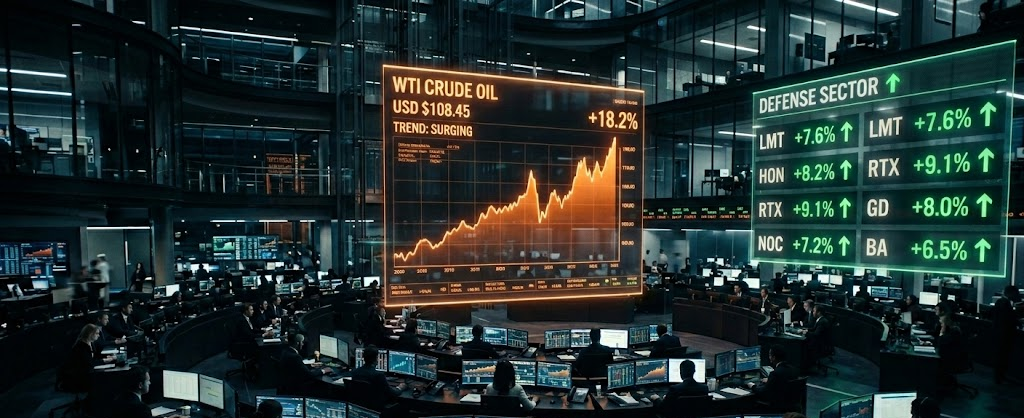
Energy markets are experiencing a vertical move. Crude oil prices jumped approximately 10% in over-the-counter trading on Sunday. Analysts are monitoring the Strait of Hormuz closely as it remains a critical chokepoint for global supply. Disruption risks in this corridor have led to projections that oil could soon trade near $100 a barrel. This surge in energy costs poses a potential headwind for the wider economy because it complicates the inflation narrative and could force central banks to maintain a restrictive stance for longer than previously anticipated.
In the equity space, the defense sector is the clear outlier. Heavyweights like Lockheed Martin and RTX Corporation are seeing substantial pre-market gains. Traders are weighing the increased demand for weapons systems against the broader drag of rising operational costs. Beyond defense, the semiconductor sector is exhibiting signs of strain. High trading volume in inverse semiconductor ETFs suggests that investors are hedging against a possible downturn in high-growth tech names. As the opening bell approaches, the S&P 500’s ability to hold key technical support levels will be paramount in determining whether this is a temporary shock or the beginning of a deeper correction.
Pre-Market News Catalysts
- Lockheed Martin (LMT): Shares are up 8% in pre-market trade. The move is driven by heightened geopolitical risk and expectations for increased defense spending. Investors are also noting that the stock goes ex-dividend today.
- RTX Corporation (RTX): The defense contractor has gained 6.9% before the bell. Sentiment is lifting across the aerospace and defense sub-sector in tandem with its industry peers.
- SOXS (Direxion Daily Semiconductor Bear 3X Shares): This inverse ETF is seeing extreme volume, with nearly 1 billion shares traded. The activity indicates a heavy speculative bet against the semiconductor industry today.
- ImmunityBio, Inc. (IBRX): Shares are trading actively near $9.55. The company is set to release its fiscal Q4 and full-year results tomorrow; therefore, traders are positioning themselves ahead of updates on its clinical pipeline.
The Day’s Debate (The Bull vs. Bear Case)

The Bull Case: Optimistic interpretations focus on the underlying strength of the industrial and defense complex. Sourced experts point out that the current geopolitical climate necessitates a structural increase in defense budgets across NATO and allied nations. This provides a long-term revenue floor for contractors like Lockheed Martin and Northrop Grumman. Analysts at RBC Capital Markets highlight that while the conflict is tragic, it solidifies the demand for advanced missile defense and surveillance technology.
Furthermore, the jump in oil prices provides a significant windfall for the energy sector. Domestic energy producers may see expanded margins and increased free cash flow, which could lead to enhanced shareholder returns through buybacks and dividends. Some strategists argue that the broader market sell-off is a localized overreaction. They believe the U.S. economy remains robust enough to absorb these energy price shocks without falling into a recession. If the conflict remains contained, this dip could be viewed as a tactical buying opportunity for high-quality equities that were previously overextended.

The Bear Case: Pessimistic views center on the inflationary consequences of a sustained energy spike. Financial experts warn that $100 oil represents a clear and present danger to global growth. Rising fuel prices act as a tax on consumers and increase transportation costs for every major industry. This could lead to a resurgence in headline inflation data. Consequently, this would eliminate any hope for interest rate cuts in the near term.
Experts at ICIS suggest that if disruptions in the Strait of Hormuz persist, the global supply chain could face its most severe test since the pandemic era. The heavy volume in bearish semiconductor funds like SOXS illustrates a growing fear that the AI-driven tech rally is losing steam. Critics argue that high valuations in the technology sector cannot be sustained if borrowing costs remain elevated and geopolitical risk premiums rise. There is also a concern regarding the contagion effect. A sustained drop in the Nasdaq could trigger a broader deleveraging event as margin calls force liquidations in unrelated asset classes.
The Strategic Takeaway
The most critical factor to keep in mind today is the shifting nature of market risk. We have moved from a period focused primarily on monetary policy to one dominated by geopolitical uncertainty. The immediate surge in energy and defense stocks indicates where the smart money is moving to preserve capital. Investors should be cautious about chasing the initial gaps in these sectors.
Instead, they should focus on the impact of higher oil prices on the broader consumer landscape. If the energy shock persists, it will likely dampen the enthusiasm for discretionary spending and tech growth. The relationship between bond yields and equity futures will be a vital indicator of market stability. If yields fall while stocks drop, it confirms a flight to quality. However, if both asset classes sell off together, it would signal a more concerning inflationary panic.
Upcoming Session Outlook with Directional Bias
The expected tone of the market open is Slightly Bearish. While the defense and energy sectors are providing a buffer for the major indices, the broad-based decline in futures and the aggressive volume in inverse ETFs suggest a defensive start to the session. Traders should anticipate high volatility in the first hour of trading as the market seeks to price in the latest developments from the Middle East.
Disclaimer: This article is for informational purposes only and does not constitute financial, investment, or legal advice. The information provided is a synthesis of publicly available data and expert analysis and should not be considered a recommendation to buy or sell any security. Investing in the stock market involves risk, including the possible loss of principal. Past performance is not indicative of future results. Readers should consult with a qualified financial advisor to determine an investment strategy that is suitable for their own personal financial situation and risk tolerance.
Sources
- Lockheed Martin stock jumps in premarket as Iran conflict jolts markets
- SOXS Direxion Semiconductor Bear 3X Pre-Market Analysis March 2 2026
- Boat Rocker Media TSX Pre-market Volume Signal
- ImmunityBio (IBRX) pre-market: Q4 2025 results March 3, 2026
- Coffee and Commodity Market Surplus Forecasts 2026
SEO Keywords: Stock Market News March 2 2026, Pre-market Trading, Lockheed Martin Stock, Oil Prices, Geopolitical Risk, Defense Stocks, Semiconductor Bear ETF, Market Intel, Financial News.
AI Image Prompt: